
Learn to Code: Your Practical Guide to Getting Started
Jumping into coding might seem tough at first, but the key is to start simple and stay curious. Many beginners struggle because they try to learn everything at once or get stuck on tricky bugs. Instead, build good habits early. Focus on clear code, break problems into small parts, and don’t ignore debugging—it'll save you tons of headache later.
Start by picking a friendly language like Python. Its straightforward syntax helps you see results quickly, which keeps motivation high. Once comfortable, explore smart coding tips like reusing code snippets and writing functions to make your programs cleaner and easier to update. These little tricks add up fast.
Debugging: Don’t Skip This Skill
Debugging isn't just fixing errors; it's about understanding what your code is really doing. When you hit a bug, resist the urge to panic. Instead, read error messages carefully and isolate the problem by testing small chunks of your code. Use print statements or debugging tools to watch variables change. This approach turns bugs from frustrating roadblocks into useful clues.
With practice, debugging becomes faster and less painful. It’s one of the best skills to learn early because every programmer faces bugs daily. Knowing common error patterns and having a calm problem-solving mindset sets you apart from others still stuck in endless trial and error.
Boost Your Skills with Real-World Coding Tricks
Beyond basics, there are plenty of programming hacks that make coding faster and more enjoyable. For instance, keyboard shortcuts and auto-completion features save valuable time. Learning how to use version control like Git helps manage your projects without losing work. Also, exploring Python’s powerful libraries can add tons of features without writing code from scratch.
Remember, coding is a constant learning journey. Keep experimenting with new ideas, review others’ code, and ask questions in communities. The more you code, the sharper your skills become.
- Jan 25, 2026
- Andrew Harper
- 0 Comments
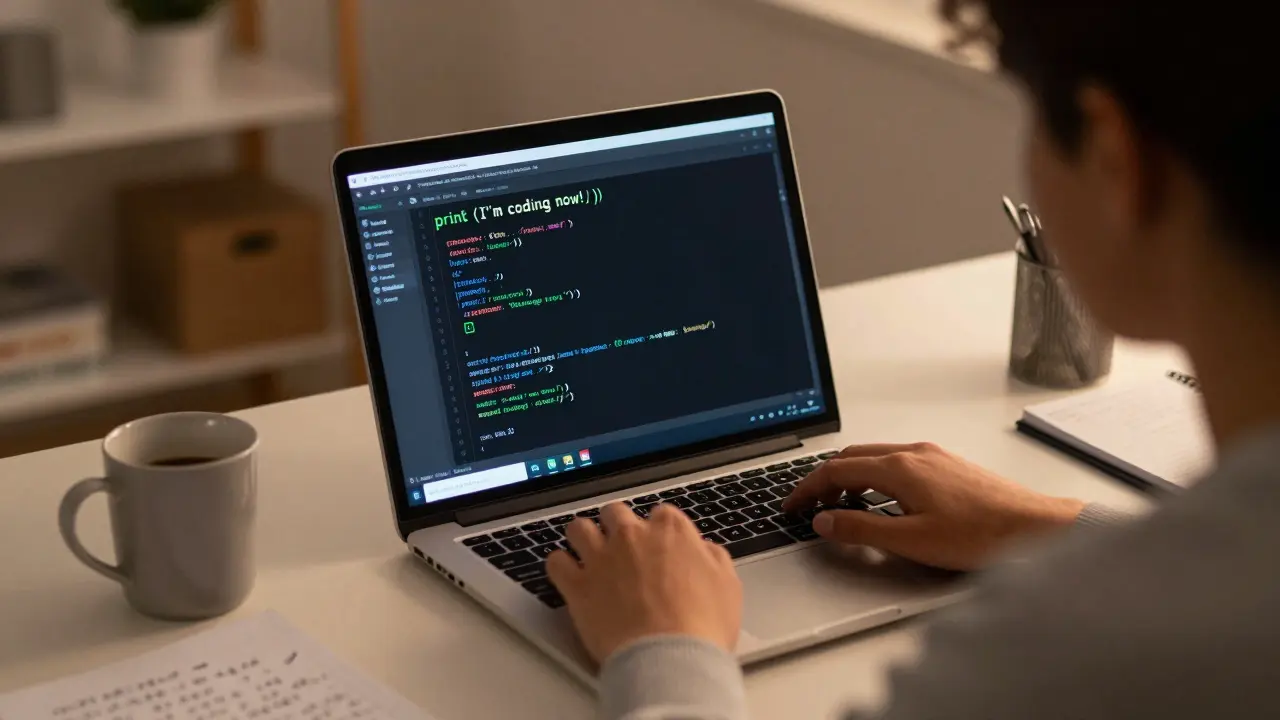
The Ultimate Programming Tutorial for Tech Enthusiasts
A practical programming tutorial for tech enthusiasts with no prior experience. Learn Python through hands-on projects, avoid common mistakes, and start building real tools in weeks-not months.
- Jan 20, 2026
- Alfred Thompson
- 0 Comments
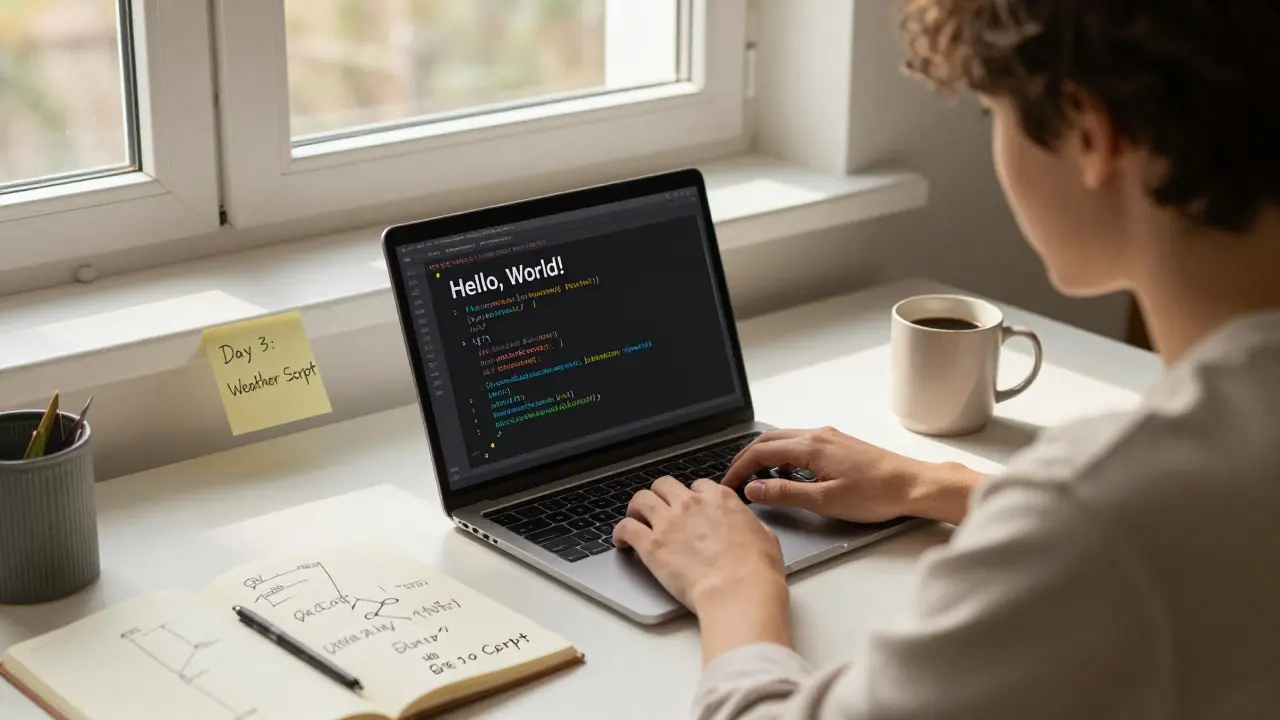
The Ultimate Programming Tutorial: Your Roadmap to Success
A clear, step-by-step roadmap to learn programming from scratch without a degree. Focus on building real projects daily, choosing the right language, and staying consistent. No fluff-just what actually works.

- Dec 23, 2025
- Andrew Harper
- 0 Comments
Coding Skills: The New Superpower in the Digital Era
Coding skills are no longer just for tech professionals-they’re essential for anyone navigating the digital world. Learn why, how to start, and what real people are doing with code today.
- Nov 16, 2025
- Andrew Harper
- 0 Comments
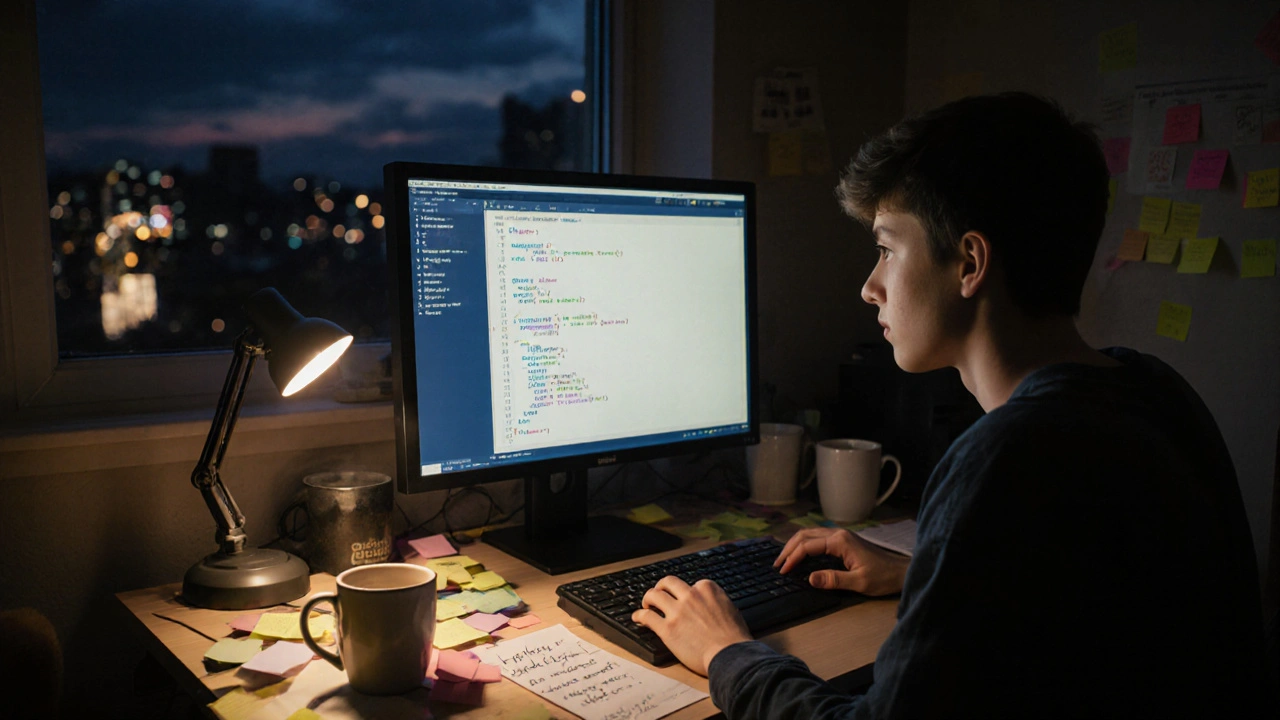
The Ultimate Guide to Enhancing Your Coding Skills
Learn how to truly improve your coding skills through deliberate practice, building real projects, reading code, and consistent habits - not just tutorials or courses.

- Sep 23, 2025
- Alfred Thompson
- 0 Comments
Learn to Code Fast: A Step‑by‑Step Programming Tutorial
A practical, hands‑on guide that walks beginners through the essentials of coding, from setting up tools to building a simple app, with clear examples and a language comparison.

- Sep 7, 2025
- Andrew Harper
- 0 Comments
Ultimate Programming Tutorial 2025: From Zero to Production-Ready Code
A clear, no-fluff roadmap to go from zero to production code. Step-by-step plan, real examples, checklists, and FAQs tailored for 2025 learners.

- Aug 5, 2025
- Alfred Thompson
- 0 Comments
Why Coding Skills Are Crucial for the Future of Work
Coding skills are reshaping the future of work. From job security to personal innovation, here’s why learning to code has never been more essential for everyone.

- Aug 3, 2025
- Clayton Shaw
- 0 Comments
Programming Mastery in 2025: The Ultimate Coding Tutorial for Every Digital Era Learner
Unlock modern programming with step-by-step guides, real-world tips, and the latest trends for every learner. Start coding confidently in 2025 and beyond.

- Jul 20, 2025
- Maxwell Sterling
- 0 Comments
Beginner Coding Tips: Unlock Success with Proven Strategies
Kickstart your coding journey with these actionable tips for complete beginners. Discover easy ways to build skills and avoid common mistakes. Your coding adventure starts here.

- Jun 17, 2025
- Alaric Stroud
- 0 Comments
Programming Tutorial: Your Practical Guide to Coding Success
This article covers everything you need to know if you're new to programming. You'll get practical tips, honest advice, and real examples that make complex ideas simple. Whether you're just curious about coding or already messing around with code, you'll find answers to common questions and useful resources. The guide helps you avoid rookie mistakes and points out small things that make a big difference. You'll walk away with clear steps to level up your coding skills.