
Next-Gen Programming: What It Is and How It's Changing Code Today
When we talk about next-gen programming, a shift in how software is written to include self-learning systems, automated reasoning, and adaptive code structures. Also known as intelligent coding, it’s not just writing commands—it’s building systems that improve over time, respond to data, and even predict errors before they happen. This isn’t science fiction. It’s what top developers are doing right now—using tools that didn’t exist five years ago to build faster, smarter, and more reliable software.
At the heart of this shift is Python for AI, the dominant language powering machine learning, neural networks, and real-time data processing. It’s not just popular—it’s the default because it’s simple, flexible, and packed with libraries like TensorFlow and PyTorch that let you turn lines of code into intelligent behavior. And it’s not just for data scientists. Engineers, product teams, and even marketers are using Python to automate decisions, analyze user behavior, and build AI-driven features without needing a PhD. But Python alone isn’t enough. Next-gen programming also leans on coding for AI, the practice of writing code that doesn’t just execute instructions but learns from patterns in data. This means moving away from rigid if-then logic toward models that adjust based on feedback, like recommendation engines that get better the more you use them, or debugging tools that spot bugs before you even run the program. These aren’t theoretical ideas—they’re the same techniques used in the posts you’ll find here, from optimizing Python workflows to building AI tools that cut development time in half.
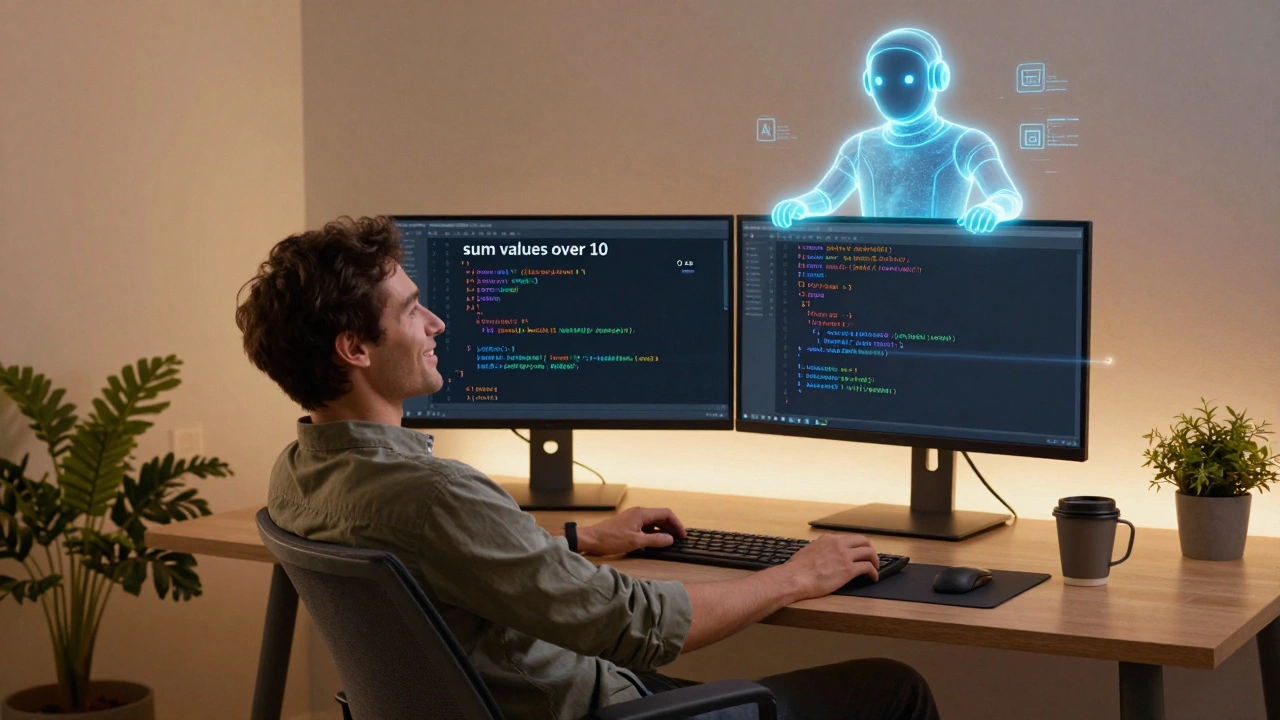
And then there’s artificial general intelligence, the idea of machines that can reason, learn, and adapt across tasks like humans do. While full AGI is still emerging, its influence is already here: in code that writes itself, in compilers that suggest better structures, and in development environments that anticipate your next move. You don’t need to wait for AGI to arrive—you’re already using pieces of it every time you auto-complete code, fix bugs with AI assistants, or train a model on your own data. The posts in this collection don’t just talk about these trends—they show you how to use them. Whether you’re cleaning up Python code with list comprehensions, debugging faster with smart tools, or learning how AI transforms how teams build software, you’ll find real, actionable examples—not theory.
Next-gen programming isn’t about replacing developers. It’s about giving them superpowers—faster feedback, fewer repetitive tasks, and the ability to focus on what humans do best: solving hard problems, understanding context, and building things that matter. What follows is a curated set of guides that show you exactly how to start using these tools today—no fluff, no hype, just clear steps and proven methods used by teams shipping real products.
- Dec 7, 2025
- Alfred Thompson
- 0 Comments
The Future of Coding: What Programming Looks Like in 2025 and Beyond
The future of coding is less about typing and more about thinking. Discover how AI tools, low-code platforms, and shifting skills are changing what it means to be a programmer in 2025.