
Code Automation: Tools, Tricks, and Real-World Uses
When you hear code automation, the process of using scripts, tools, or AI to perform repetitive programming tasks without manual input. Also known as automated development workflows, it’s what turns hours of boring work into one click. It’s not magic—it’s just smart repetition. Every time you run a linter, auto-format your code, or trigger a deploy after a git push, you’re using code automation. And if you’re still copying and pasting the same function across files or manually testing the same edge cases, you’re wasting time better spent building something new.
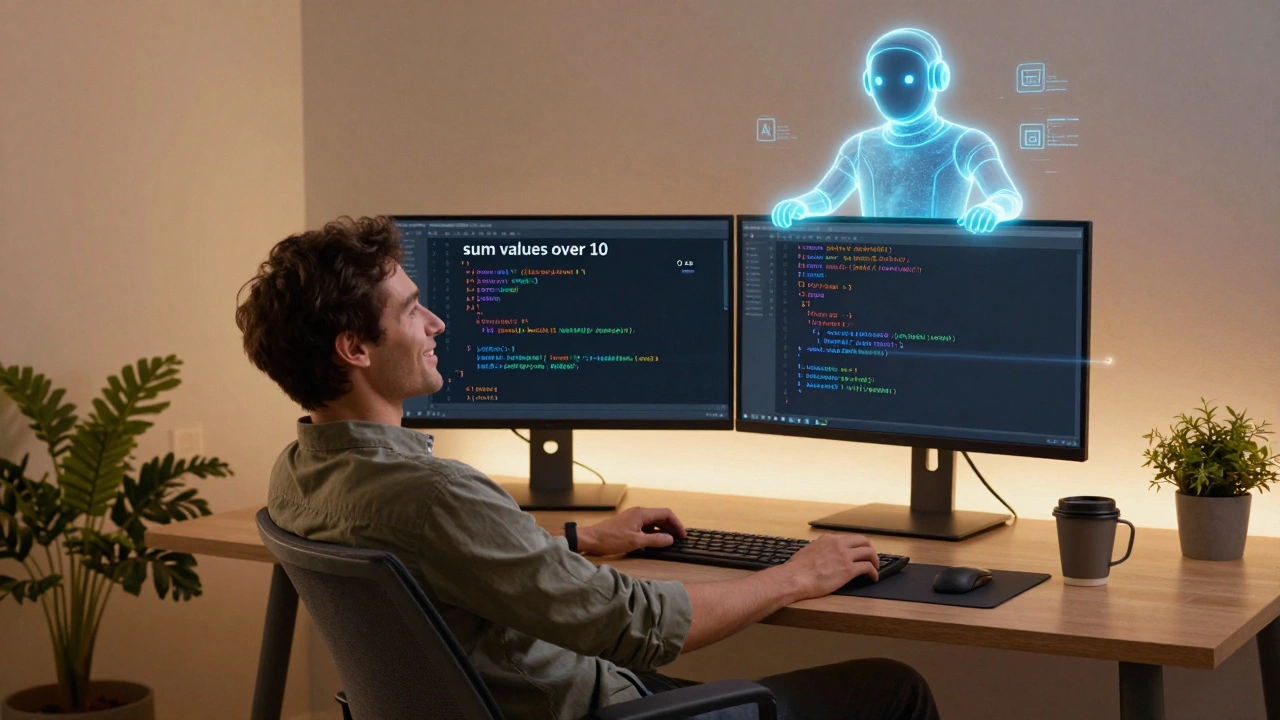
Code automation requires scripting, relies on DevOps tools, and is increasingly powered by AI. Tools like GitHub Actions, Jenkins, and shell scripts handle the heavy lifting—running tests, building packages, or updating dependencies. But the real shift is happening where AI meets automation: tools now predict what you’re about to type, auto-generate unit tests from function comments, or even fix bugs before you commit. Python scripts, for example, can scan your codebase for unused imports, rename variables across files, or spin up local environments with one command. This isn’t theory—it’s what teams at startups and Fortune 500s use daily to ship faster and burn out less.
You don’t need to be a DevOps engineer to start. The simplest automation? A script that renames files, runs your formatter, and opens your browser to the local server—all in one go. That’s code automation in action. And once you see how much time it saves, you’ll start looking for other things to automate: sending status emails, syncing databases, generating documentation, even writing boilerplate code for new features. The posts below show you exactly how top developers do this—with real Python tricks, AI-powered helpers, and workflows that cut weeks off project timelines. No fluff. No theory. Just what works.
- Dec 7, 2025
- Alfred Thompson
- 0 Comments
The Future of Coding: What Programming Looks Like in 2025 and Beyond
The future of coding is less about typing and more about thinking. Discover how AI tools, low-code platforms, and shifting skills are changing what it means to be a programmer in 2025.