
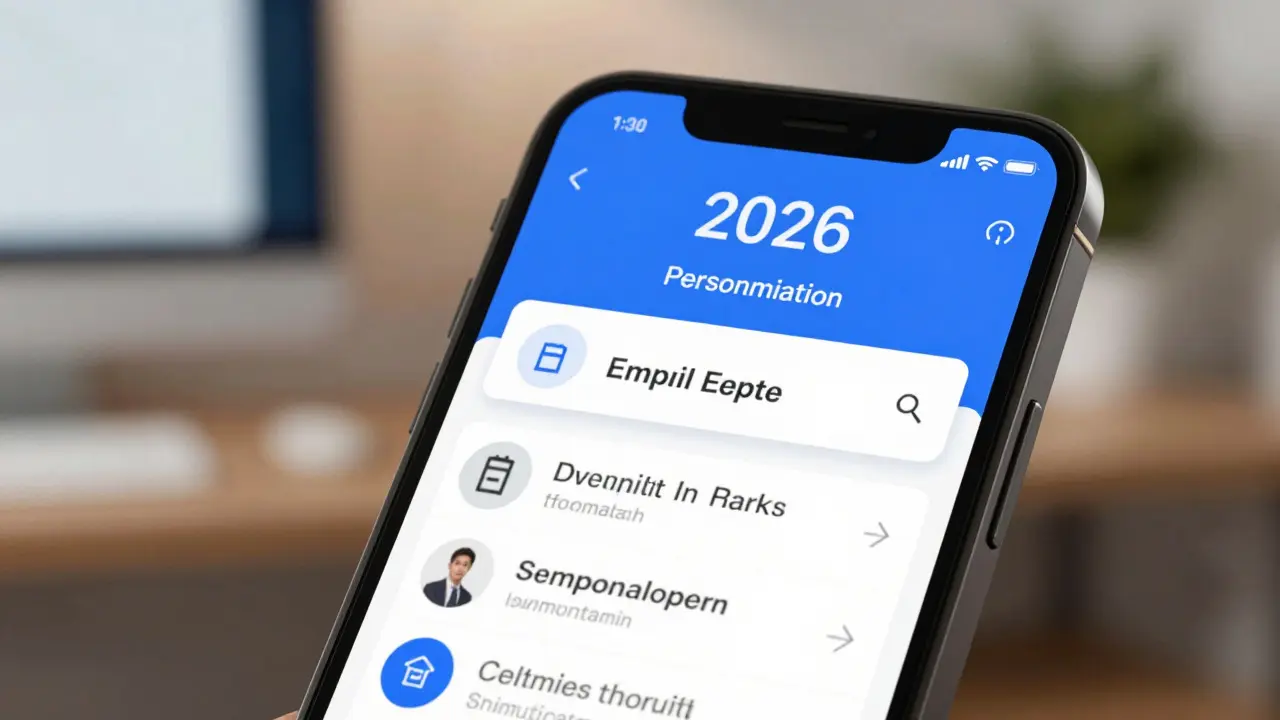
Remember the last time you opened an email that felt like it was written specifically for you? Not just your name in the subject line, but the product recommendation, the tone, and even the timing of the delivery aligned perfectly with your current needs. That wasn’t luck. It was artificial intelligence working behind the scenes.
In 2026, generic newsletter blasts are dead. Consumers expect hyper-personalization, and human marketers simply cannot scale manual segmentation to meet that demand. This is where using AI transforms email marketing from a broadcast channel into a precision engagement tool. You don't need a data science team to start; you just need to understand how these tools function and where to apply them.
The Core Problem: Data Overload vs. Human Capacity
The average marketer receives thousands of data points per customer: open rates, click-through history, purchase dates, browsing behavior, and device preferences. The problem isn't a lack of data; it's the inability to process it in real-time. A human analyst might take weeks to segment a list based on recent purchase behavior. An algorithm does it in milliseconds.
When we talk about AI in this context, we aren't referring to sentient robots. We are talking about machine learning models-specifically classification and prediction algorithms-that find patterns in historical data to forecast future actions. For example, if User A buys running shoes every six months and currently views socks, the system predicts a high probability of a sock purchase within 48 hours. This shift from reactive to proactive marketing is the foundation of modern email strategy.
Hyper-Personalization Beyond the First Name
Personalization used to mean inserting `{{First_Name}}` into a template. Today, it means dynamic content blocks that change based on user behavior. AI-driven platforms analyze individual preferences to serve unique layouts, images, and offers to different subscribers within the same campaign.
| Feature | Traditional Approach | AI-Enhanced Approach |
|---|---|---|
| Segmentation | Static lists (e.g., "New Subscribers") | Dynamic micro-segments updated in real-time |
| Content | One-size-fits-all templates | Modular blocks swapping based on predicted interest |
| Tone | Brand standard voice | Adaptive tone matching subscriber sentiment |
| Product Recs | Best sellers or recently viewed | Collaborative filtering ("users like you bought...") |
For instance, a fashion retailer might use AI to detect that a subscriber prefers minimalist aesthetics. Instead of showing a colorful, busy banner, the system serves a clean, white-space-heavy layout with neutral tones. This level of detail increases relevance scores significantly. According to industry benchmarks from 2025, emails with dynamic AI-generated content see up to a 30% increase in conversion rates compared to static counterparts.
Predictive Analytics: Knowing What They Want Before They Do
The most powerful application of AI in email is predictive modeling. This involves training algorithms on historical transaction data to estimate two critical metrics: Customer Lifetime Value (CLV) and Churn Probability.
Churn Prediction is the process of identifying customers likely to stop engaging or purchasing. By analyzing signals such as decreased open frequency, longer gaps between purchases, or negative sentiment in support tickets, AI flags at-risk accounts. Marketers can then trigger automated retention flows-such as exclusive discounts or feedback surveys-before the customer leaves entirely.
Similarly, CLV prediction helps prioritize resources. High-value customers receive premium content and early access to sales, while lower-engagement users receive reactivation campaigns. This ensures you aren't wasting budget on audiences unlikely to convert, maximizing return on ad spend (ROAS).

Send Time Optimization: The Right Message at the Right Moment
Sending an email at 9 AM on Tuesday might work for one demographic but fail completely for another. Send Time Optimization (STO) uses machine learning to determine the exact moment each individual subscriber is most likely to open their inbox.
Unlike simple timezone adjustments, STO analyzes past interaction times for each user. If Sarah consistently opens emails at 7:30 PM on weekdays but checks her phone during lunch on weekends, the system schedules her email accordingly. This reduces inbox competition and increases visibility. Studies show that STO can boost open rates by 15-25% without changing the content itself.
Subject Line Generation and Copywriting Assistance
Writer’s block is expensive. AI writing assistants, powered by large language models (LLMs), can generate dozens of subject line variations in seconds. These tools analyze top-performing campaigns across industries to suggest phrasing that balances curiosity, clarity, and urgency.
However, the key is human oversight. AI should draft; humans should edit. Use AI to overcome blank-page paralysis, then refine the tone to match your brand voice. For example, an AI might suggest "Don't Miss Out!" which is generic. A human editor might tweak it to "Your Exclusive Access Ends Tonight," adding specificity and value.
Beyond subject lines, AI can help personalize body copy. Some platforms allow you to input a base message, and the AI rewrites it slightly for different segments, adjusting complexity and length based on what those groups historically engage with.
Implementation Strategy: Getting Started Without Chaos
You don't need to overhaul your entire tech stack overnight. Start small and scale. Here is a practical roadmap:
- Audit Your Data: Ensure your Customer Relationship Management (CRM) and email platform are integrated. Clean data is essential for accurate AI predictions.
- Enable Basic Automation: Set up welcome series and abandoned cart flows. These are low-hanging fruit with high ROI.
- Test Predictive Segments: Create a segment based on "Likely to Buy" scores provided by your email service provider (ESP). Compare performance against a random control group.
- Iterate on Content: Use AI suggestions for subject lines in A/B tests. Track which variations win and feed that data back into the model.
Most major ESPs like HubSpot, Salesforce Marketing Cloud, and Klaviyo now have built-in AI features. Check your dashboard for labels like "Smart Send," "Predictive Insights," or "AI Writer." If your current tool lacks these capabilities, consider upgrading or integrating specialized plugins.
Ethical Considerations and Privacy Compliance
With great power comes great responsibility. As AI becomes more intrusive, privacy concerns grow. In 2026, regulations like GDPR and CCPA remain strict. Always ensure explicit consent before using behavioral data for personalization. Transparency builds trust; tell subscribers how you use their data to improve their experience.
Also, avoid over-personalization. There’s a fine line between helpful and creepy. If an email references a sensitive health condition or financial struggle too aggressively, it can backfire. Keep the tone respectful and value-driven.
Measuring Success: Key Metrics to Watch
To validate your AI efforts, track these specific KPIs:
- Conversion Rate Lift: Compare AI-optimized campaigns against non-AI baselines.
- Revenue Per Email: Measure total revenue divided by number of emails sent.
- Unsubscribe Rate: Ensure personalization isn’t causing fatigue.
- Model Accuracy: Monitor how often churn predictions align with actual cancellations.
Regularly review these metrics to refine your algorithms. AI models degrade over time if not retrained with fresh data. Schedule quarterly audits to ensure your predictions remain relevant.
Do I need coding skills to use AI in email marketing?
No. Most modern email service providers offer no-code AI features. You simply toggle settings like "Send Time Optimization" or "Dynamic Product Recommendations" in your dashboard. The heavy lifting happens on the backend.
How much data do I need for AI to work effectively?
Generally, you need at least 6-12 months of historical data for robust predictions. However, some cloud-based AI models leverage aggregate industry data, allowing smaller businesses to benefit even with limited internal datasets.
Can AI replace my email copywriter?
Not entirely. AI excels at drafting and optimizing, but it lacks deep brand empathy and strategic nuance. Use AI as a co-pilot to speed up production, but keep humans in the loop for creative direction and quality control.
Is AI email marketing expensive?
Costs vary by provider. Many basic AI features are included in mid-tier plans. Advanced predictive analytics may require enterprise pricing. Calculate ROI based on increased conversions rather than upfront cost.
What are the biggest risks of using AI in email?
The main risks are data bias (if training data is skewed) and over-reliance on automation without human oversight. Always test AI outputs manually before full deployment and monitor for unintended messaging errors.