
Programming Efficiency: Master Tips to Code Smarter, Not Harder
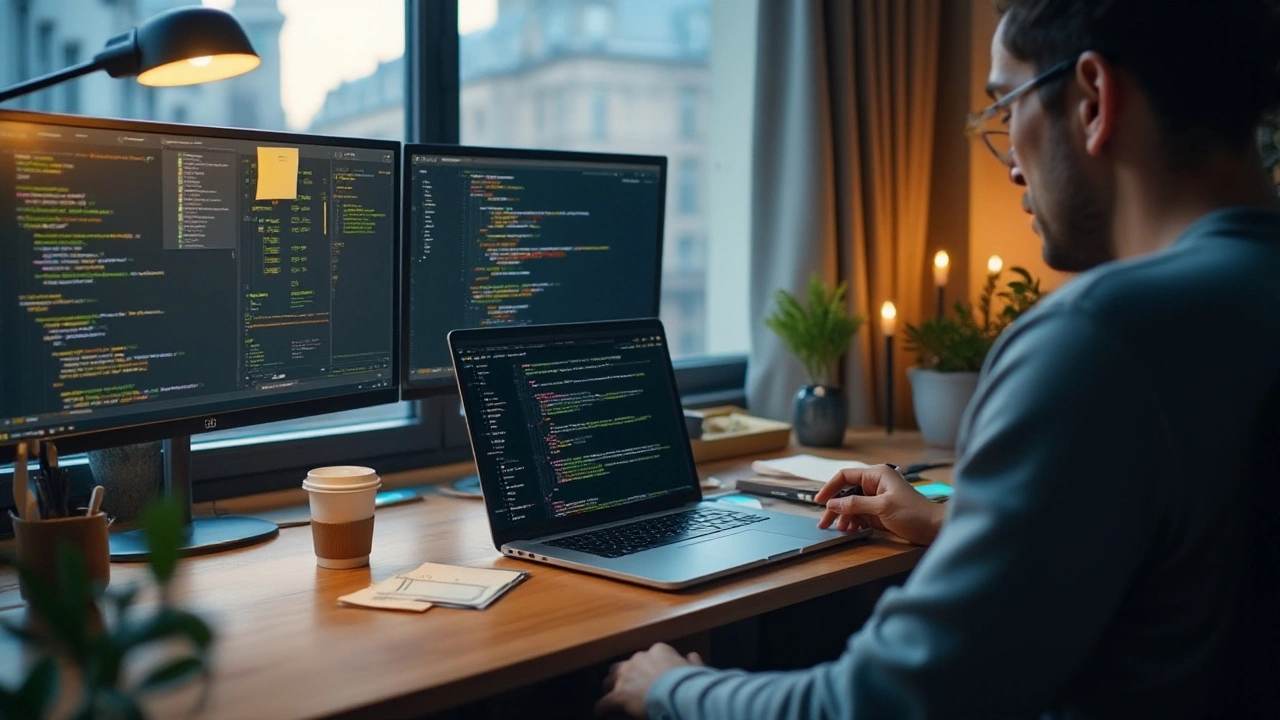
Ever felt stuck debugging for hours or writing code that feels like it’s holding you back? Improving programming efficiency isn’t about rushing through your work—it’s about making smarter choices that save time and reduce headaches. Whether you’re a beginner or an experienced coder, mastering these techniques will change how you develop software.
First off, nail down debugging skills. Debugging is where many programmers lose the most time, but it doesn’t have to be that way. Instead of guessing your way through errors, learn to spot common bug patterns and use tools that can help you track down issues quickly. For example, interactive debuggers let you pause and examine your code step-by-step, so you understand exactly what’s going wrong without random trial and error. This sharpens your problem-solving and keeps projects moving.
Smart Coding Habits That Save Time
Writing code cleanly from the start is another big time-saver. Simple habits like naming variables clearly and breaking your code into small, manageable functions help you avoid confusion down the line. Ever tried reading your own code after a week and felt lost? This happens because of sloppy structure and inconsistent style. Tools like linters can automatically enforce style rules and catch mistakes as you write, so fixing problems early becomes natural, not painful.
Using programming tricks, such as shortcuts and reusable code snippets, can also level up your productivity. For instance, in Python, learning one-liners or built-in functions that replace long blocks of code can speed things up dramatically. Plus, adopting keyboard shortcuts and code editor extensions lets you move through your code faster—saving hours across projects.
Keep Growing Your Skills with Focused Learning
Another key part of boosting coding efficiency is knowing what to learn next. Instead of juggling many languages or tools simultaneously, focus on mastering the ones that align with your goals. For instance, if you’re interested in AI development, deep diving into Python and libraries like TensorFlow pays off more than spreading yourself thin. Keep tutorials, tips, and expert articles handy to pick up new tricks and stay updated on best practices.
Programming efficiency is a journey, not a destination. By improving how you debug, write, and learn code, you’ll find yourself finishing projects faster, with fewer bugs, and with way less stress. Want to code smarter? Start with small habit changes and watch your productivity soar.
- Sep 3, 2024
- Jefferson Maddox
- 0 Comments
Mastering Speedy Programming: The Key to Effective Coding
This article dives into the essential techniques and habits that can make your coding process faster and more efficient. Discover practical tips and interesting facts that will help you optimize your workflow and enhance your programming skills. Learn how to manage your time, resources, and tools to boost your productivity. This guide is for anyone looking to code smarter, not harder.

- Jul 28, 2023
- Alaric Stroud
- 0 Comments
Coding Tips: The Key to Efficient Programming
My fellow keyboard warriors, here's the lowdown on how to be a code-slinging maestro! The secret sauce is all about efficient programming, and I've got the golden tips to get you there. Think of it like building a LEGO masterpiece, but instead of plastic blocks, we're using code – it's the same level of satisfaction, promise! It's all about precision, my friends: knowing your tools (hello, shortcuts!), planning ahead like a coding Nostradamus, and keeping your code clean - because nobody likes a messy workbench! So, buckle up and let's make programming as smooth as a hot knife through butter, shall we?