
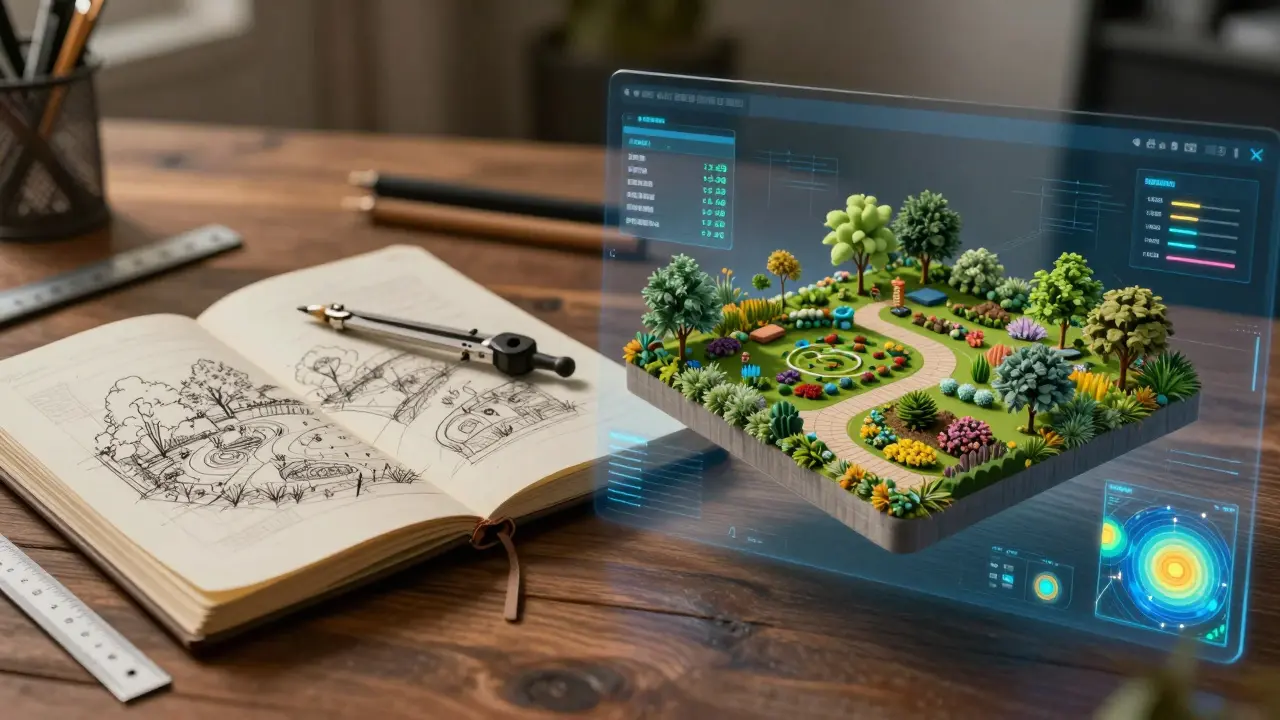
Imagine walking through a garden where every plant is placed for maximum visual impact, water usage is optimized down to the milliliter, and maintenance schedules are predicted before a single leaf turns brown. This isn't science fiction; it's the current reality of AI landscape design, which is reshaping how we interact with outdoor spaces. For decades, landscape architecture relied heavily on manual sketches, intuition, and trial-and-error planting. Today, machine learning algorithms process millions of data points-from soil composition to microclimate shifts-to generate designs that are not only beautiful but ecologically resilient.
The shift is happening fast. In 2026, the integration of artificial intelligence into horticulture and urban planning has moved from experimental novelty to industry standard. Designers are no longer just drawing pretty pictures; they are building predictive models for ecosystem health. If you're a homeowner, a professional landscaper, or an urban planner, understanding these tools is no longer optional-it's essential for staying relevant in a market that demands sustainability and efficiency.
From Sketches to Algorithms: The Evolution of Design
Traditionally, creating a landscape plan meant hours of hand-drawing or spending weeks mastering complex CAD software like AutoCAD or SketchUp. Even then, the designer had to manually account for sun paths, wind patterns, and plant growth rates. It was a slow, iterative process prone to human error.
Now, generative design AI acts as a co-pilot. You input basic constraints-lot size, budget, preferred aesthetic, and local climate zone-and the algorithm generates dozens of viable layout options in minutes. These aren't random suggestions. The AI analyzes historical performance data of similar landscapes to predict how each design will look in five, ten, or twenty years. This speed allows clients to explore more possibilities without the prohibitive cost of hiring a firm for multiple concept rounds.
Consider the case of a residential project in Seattle. A traditional designer might suggest a mix of evergreens and flowering shrubs based on general knowledge of the Pacific Northwest. An AI-driven approach, however, cross-references real-time weather data with specific soil pH levels at that exact address. It might recommend replacing water-intensive hydrangeas with drought-resistant native sedums, predicting a 40% reduction in irrigation needs while maintaining year-round curb appeal. That’s the power of data over guesswork.
Precision Planting: Matching Flora to Microclimates
One of the biggest challenges in landscaping is plant survival. How many times have you seen a newly planted tree die within a year because the root system couldn't handle the drainage issues? AI solves this by creating hyper-localized microclimate maps.
Smart plant selection algorithms analyze thousands of variables. They don't just look at the USDA Hardiness Zone; they consider shade cast by neighboring buildings, heat reflection from concrete sidewalks, and even pollution levels from nearby traffic. By matching plants to their ideal conditions, these systems drastically reduce mortality rates. For municipalities managing public parks, this means lower replacement costs and healthier green spaces for citizens.
For homeowners, this translates to peace of mind. Instead of buying plants on impulse from a nursery, you can use AI apps that scan your yard via smartphone camera. The app identifies light exposure throughout the day and suggests a curated list of perennials, grasses, and trees that thrive in those specific spots. It’s like having a botanist in your pocket who knows your yard better than you do.
Water Wisdom: Automated Irrigation Systems
Water scarcity is one of the most pressing environmental issues of our time, especially in regions like California and the American Southwest. Traditional sprinkler systems operate on timers, often watering lawns during rainstorms or when humidity is already high. This inefficiency wastes billions of gallons annually.
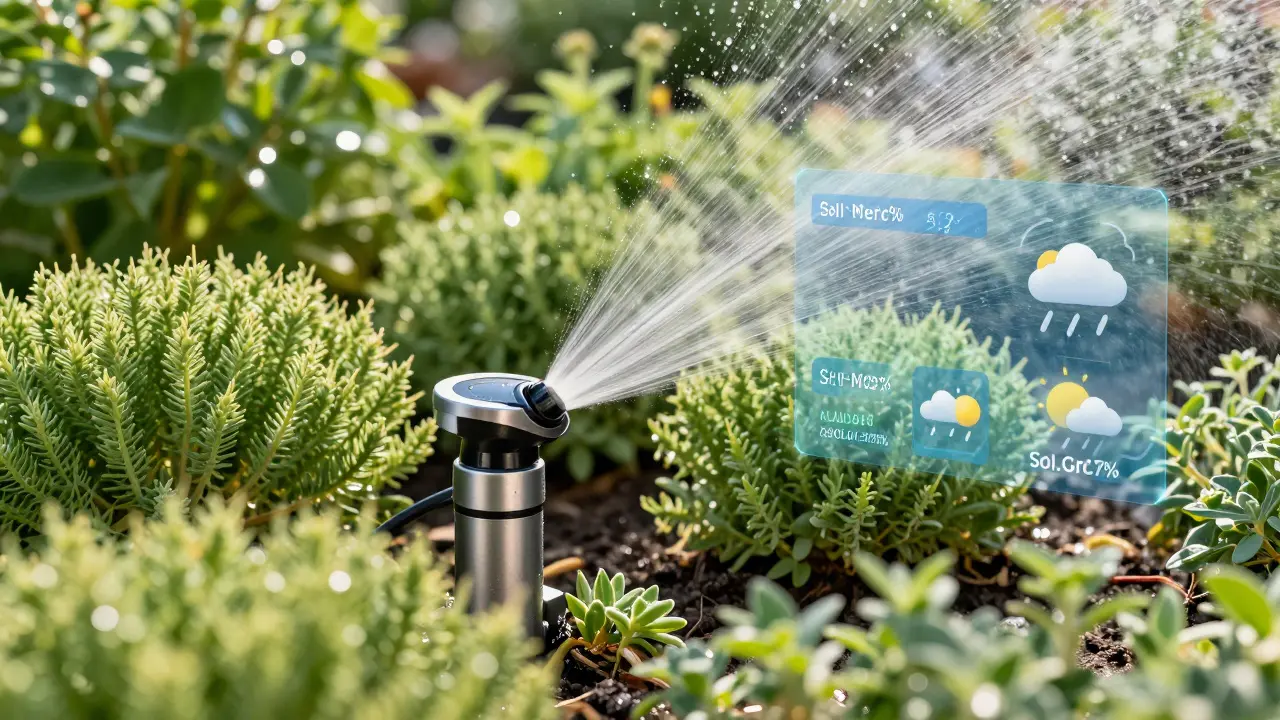
AI-powered irrigation controllers change this dynamic completely. These devices connect to local weather stations and soil moisture sensors. They don't just react to current conditions; they predict future ones. If a heavy rainstorm is forecasted for tomorrow, the system automatically skips today's scheduled watering cycle. If evaporation rates are high due to sudden heatwaves, it adjusts flow duration to ensure deep root hydration without runoff.
In commercial settings, the savings are staggering. Golf courses and large estates using these systems report water reductions of up to 50%. Beyond conservation, there’s also a financial benefit. Lower water bills and reduced chemical runoff mean less strain on municipal treatment facilities. It’s a win-win for both the wallet and the watershed.
Maintenance Predictions: Fixing Problems Before They Appear
Landscape maintenance is usually reactive. You wait for weeds to sprout, leaves to turn yellow, or pests to infest, then you call a service provider. AI flips this model to proactive care.
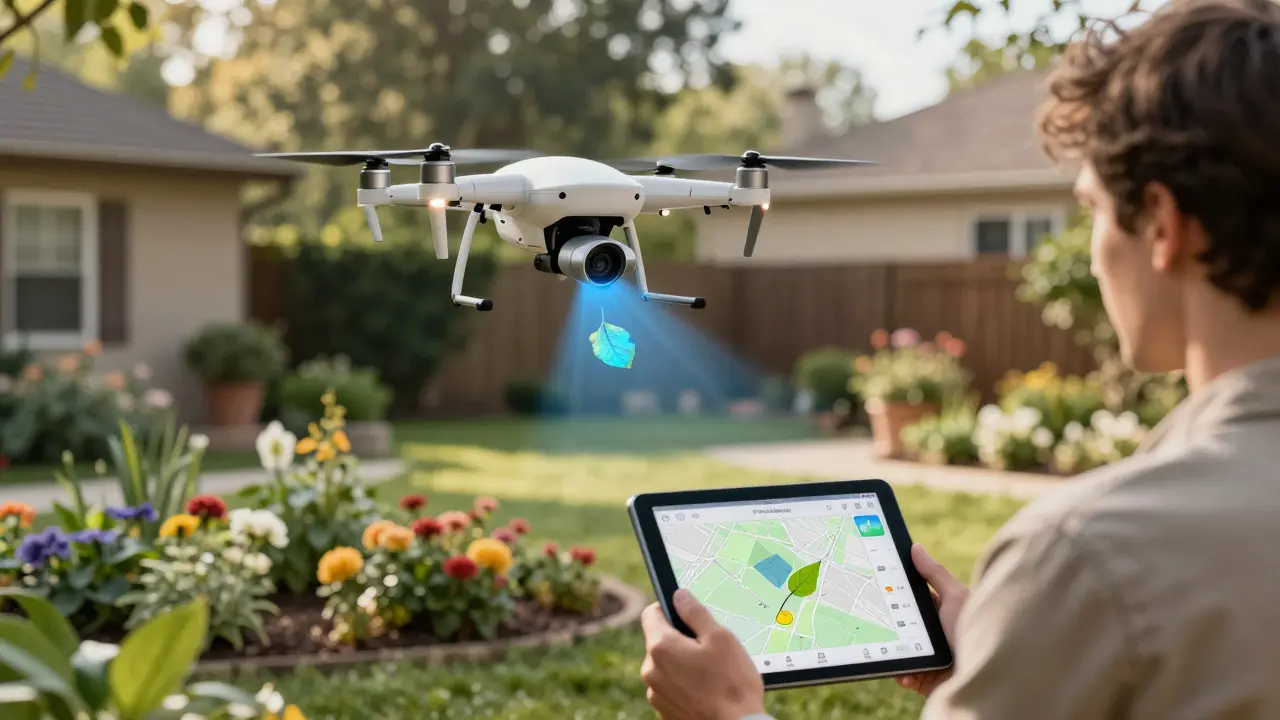
Computer vision technology enables drones and ground robots to patrol gardens and parks. Equipped with high-resolution cameras and spectral imaging sensors, these machines detect early signs of disease, nutrient deficiencies, or pest activity long before the human eye can see them. For example, a slight change in leaf chlorophyll content can indicate nitrogen deficiency weeks before visible yellowing occurs.
Once detected, the AI logs the issue and sends alerts to maintenance crews with precise GPS coordinates and recommended treatments. This targeted approach reduces pesticide use significantly. Instead of spraying an entire lawn, workers treat only the affected plants. This precision agriculture technique, borrowed from farming, is now making its way into suburban backyards and city parks alike.
Sustainability and Biodiversity: Designing for Nature
Sustainable landscaping isn't just about saving water; it's about supporting local ecosystems. Monoculture lawns offer little value to pollinators and wildlife. AI helps designers create biodiverse habitats that support bees, butterflies, and birds.
By analyzing regional biodiversity data, ecological simulation tools suggest plant combinations that maximize habitat value. They can simulate how a proposed garden will support local insect populations over a season. This data-driven approach encourages the use of native species, which require fewer resources and provide essential food sources for wildlife. Cities adopting these strategies are seeing measurable increases in urban biodiversity, proving that technology and nature can work together harmoniously.
Challenges and Ethical Considerations
Despite the benefits, AI in landscape design isn't without its hurdles. One major concern is data privacy. Smart gardens collect vast amounts of information about property usage, movement patterns, and even interior views through windows. Who owns this data? How is it protected? As these technologies become ubiquitous, clear regulations are needed to prevent misuse.
Another challenge is the digital divide. High-end AI tools and robotic maintenance equipment remain expensive, potentially limiting access to wealthy individuals and large corporations. Smaller firms and individual homeowners may struggle to afford the initial investment. However, as cloud-based SaaS (Software as a Service) models become more prevalent, subscription pricing is lowering barriers to entry. We’re likely to see democratization of these tools over the next few years.
There’s also the risk of over-reliance on automation. Landscape design is an art form as much as a science. Relying solely on algorithms could lead to sterile, uniform environments that lack human touch and creativity. The best outcomes come from hybrid approaches, where AI handles the data-heavy lifting, and human designers inject cultural context, emotional resonance, and artistic flair.
The Future Outlook: What’s Next?
Looking ahead, the convergence of AI with other emerging technologies promises even greater innovations. Augmented Reality (AR) glasses will allow designers and clients to walk through a virtual version of the landscape before breaking ground. They’ll be able to tweak colors, textures, and structures in real-time, seeing immediate feedback on how changes affect sunlight and airflow.
We’ll also see more autonomous robotics. Imagine small, solar-powered bots that prune hedges, mulch beds, and remove debris daily, keeping gardens pristine without human intervention. These robots will learn from each task, improving their efficiency over time.
Furthermore, AI will play a crucial role in climate adaptation. As weather patterns become more erratic, landscapes need to be designed for resilience. AI models will help identify which plant varieties are most likely to survive extreme heat, floods, or storms, guiding communities toward safer, more durable green infrastructure.
| Feature | Traditional Approach | AI-Enhanced Approach |
|---|---|---|
| Design Speed | Weeks to months | Hours to days |
| Plant Selection | Based on general zones and experience | Hyper-localized microclimate analysis |
| Irrigation Efficiency | Timer-based, often wasteful | Weather-adaptive, sensor-driven |
| Maintenance | Reactive problem solving | Predictive health monitoring |
| Biodiversity Focus | Often overlooked | Data-backed habitat optimization |
Getting Started with AI in Your Garden
If you’re ready to embrace these advancements, you don’t need to buy expensive hardware right away. Start with mobile apps that offer AI-driven plant identification and care tips. Many free versions provide solid advice on pruning, fertilizing, and pest control.
For more serious projects, consider consulting a landscape architect who uses generative design software. Ask them how they incorporate climate data and sustainability metrics into their plans. When installing new irrigation systems, opt for smart controllers compatible with weather APIs. These small steps can yield significant improvements in garden health and resource efficiency.
Remember, technology is a tool, not a replacement for passion. Use AI to enhance your connection with nature, not to distance yourself from it. The goal is to create spaces that are vibrant, sustainable, and deeply fulfilling for both people and the planet.
Is AI landscape design expensive for average homeowners?
Not necessarily. While high-end professional services can be costly, many AI features are accessible through affordable mobile apps and smart home devices. Basic smart irrigation controllers start around $100-$200, and numerous plant-care apps offer free tiers with robust AI recommendations. The key is to start small and scale up as you see value.
Can AI replace human landscape architects?
No, AI cannot fully replace human creativity and contextual understanding. AI excels at processing data, optimizing layouts, and predicting outcomes, but it lacks the ability to interpret cultural nuances, emotional preferences, and artistic vision. The most successful projects combine AI's analytical power with a human designer's creative insight.
How does AI help with water conservation?
AI helps conserve water by integrating real-time weather data and soil moisture sensors to adjust irrigation schedules dynamically. Instead of watering on a fixed timer, the system waters only when necessary and in the exact amount required. This prevents overwatering during rainy periods and ensures deep root hydration during dry spells, reducing waste by up to 50%.
What kind of data does AI use for plant selection?
AI uses a wide range of data including local climate history, soil composition, sunlight exposure patterns, wind direction, and proximity to pollution sources. It also considers the specific growth habits and maintenance requirements of various plant species. By cross-referencing these factors, it predicts which plants will thrive in your specific microenvironment.
Are there privacy concerns with smart garden systems?
Yes, there are valid privacy concerns. Smart cameras and sensors can collect detailed information about your property and activities. It's important to choose reputable brands with strong data encryption policies and clear privacy terms. Look for systems that allow you to control what data is stored locally versus sent to the cloud, and regularly review your device settings.