

Telecommunications is no longer just about laying cables and setting up cell towers. It’s a data-heavy, high-speed ecosystem where milliseconds matter. Enter artificial intelligence. AI isn’t just an add-on anymore; it’s the backbone of modern telecommunications networks. From predicting outages before they happen to optimizing bandwidth in real-time, AI is reshaping how we connect, communicate, and consume digital services.
The Shift from Reactive to Proactive Networks
For decades, telecom operators managed networks reactively. A tower went down? Engineers rushed to fix it. Bandwidth spiked during a concert? Users got throttled. Today, that model is obsolete. With machine learning algorithms, networks now predict issues before they occur. Sensors collect terabytes of data daily-temperature, signal strength, user traffic-and AI analyzes patterns to flag anomalies. If a base station shows signs of overheating, the system reroutes traffic automatically. This shift saves millions in downtime costs and keeps users connected without interruption.
Network Automation: The Silent Workhorse
Imagine managing a global network with thousands of nodes manually. Impossible, right? That’s why network automation has become essential. AI-driven tools configure hardware, deploy software updates, and balance loads across regions without human intervention. For example, when a major sports event draws millions of viewers to one area, AI dynamically allocates more capacity to nearby cells while reducing resources in quieter zones. This agility ensures smooth streaming for fans and efficient resource use for providers.
| Function | Traditional Approach | AI-Driven Solution |
|---|---|---|
| Fault Detection | Manual monitoring after failure | Predictive alerts using sensor data |
| Traffic Management | Static allocation based on historical averages | Real-time dynamic adjustment via ML models |
| Customer Support | Human agents handling repetitive queries | NLP-powered chatbots resolving 70%+ issues instantly |
| Security Threats | Rule-based firewalls detecting known attacks | Anomaly detection identifying zero-day exploits |
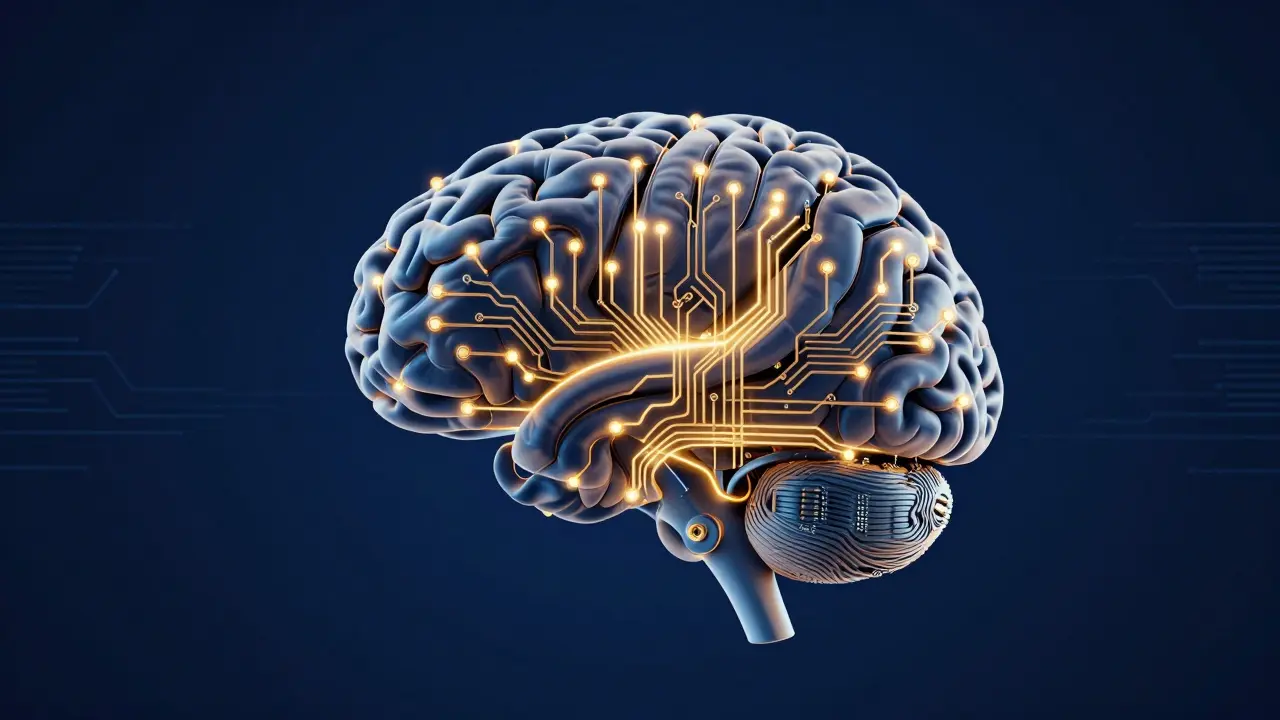
Enhancing Customer Experience Through Personalization
You’ve probably noticed your phone plan adapting to your usage habits. Behind this convenience lies customer relationship management (CRM) powered by AI. By analyzing call logs, data consumption, and even app preferences, telecom companies offer tailored plans. Need extra cloud storage because you’re always uploading photos? Your provider suggests an upgrade before you ask. These insights reduce churn rates significantly-studies show personalized offers increase retention by up to 30%. Plus, natural language processing enables smarter customer service bots that understand context, not just keywords.
Securing the Digital Frontier
As networks grow more complex, so do threats. Cyberattacks targeting telecom infrastructure can disrupt entire cities. Here, cybersecurity AI plays a critical role. Unlike traditional security systems relying on predefined rules, AI detects unusual behavior in real time. Suppose someone tries to inject malicious code into a core router. The system flags the deviation from normal activity patterns and isolates the threat immediately. In 2025 alone, AI blocked over 40 billion phishing attempts globally, protecting both businesses and consumers.

Challenges Ahead: Privacy, Bias, and Scalability
Despite its benefits, integrating AI into telecom comes with hurdles. First, privacy concerns loom large. Collecting vast amounts of user data raises questions about consent and transparency. Second, biased training data can lead to unfair outcomes-for instance, prioritizing certain neighborhoods over others for improved coverage. Finally, scaling AI solutions requires significant investment in infrastructure and talent. Smaller providers struggle to compete against giants like Verizon or AT&T who already dominate the space.
Looking Forward: What Lies Beyond 5G?
We’re currently rolling out 5G technology, but AI will pave the way for future innovations. Imagine self-healing networks capable of repairing themselves within seconds. Or smart cities where every device communicates seamlessly through AI-coordinated protocols. Researchers are also exploring quantum computing integration to solve ultra-complex problems faster than ever before. As these advancements unfold, expect telecom to evolve beyond connectivity-it’ll become integral to how we live, work, and interact digitally.
How does AI improve network reliability?
AI improves network reliability by analyzing real-time data from sensors and devices to predict potential failures. Machine learning models identify patterns indicating wear-and-tear or environmental stressors, allowing preemptive maintenance actions.
Can AI replace human technicians entirely?
While AI handles many routine tasks efficiently, humans remain crucial for strategic decision-making and troubleshooting unique scenarios. Hybrid approaches combining AI efficiency with human expertise yield best results.
What role does AI play in cybersecurity for telecom?
AI enhances cybersecurity by continuously monitoring network activities for anomalies indicative of cyberattacks. Its ability to learn new attack vectors makes it far superior to rule-based systems in combating emerging threats.
Are there risks associated with AI adoption in telecom?
Yes, risks include data privacy violations due to extensive collection practices, algorithmic bias leading to unequal service distribution, and high implementation costs limiting accessibility for smaller firms.
Will AI make older technologies obsolete?
Not necessarily. While newer tech like 5G leverages AI heavily, legacy systems still serve specific purposes. Transition periods involve coexistence until full migration becomes economically viable.