
Programming Essentials: Boost Your Coding Skills and Debug Like a Pro
Want to get better at programming? Whether you’re starting fresh or want to sharpen your skills, understanding some key tips and tricks can save you time and frustration. Coding is not just about writing lines—it’s about writing smart, clean code and knowing how to find and fix bugs quickly. It’s the difference between struggling with errors and building software confidently.
First off, let’s talk about why programming skills matter so much today. From improving your job prospects to helping you create products faster, knowing how to code gives you a real edge. And if you’re worried about where to begin, focus on gaining solid basics and then little hacks and shortcuts that make your workflow smoother. Simple steps like learning keyboard shortcuts or using code snippets can speed everything up.
Tips to Raise Your Coding Game
Start by breaking problems into smaller parts. It makes writing code less overwhelming and helps catch errors early. Also, embrace tools that modern developers use daily, like code editors with debugging features or version control systems. Don’t be shy about reusing code you know works—that’s how pros save hours.
Another must-have skill is debugging. Everyone hits bugs, but knowing effective techniques turns a headache into a quick fix. Begin by reading error messages carefully and isolating where the bug happens. Test your code often and in small chunks so problems don’t pile up. Keeping calm during debugging is crucial—a clear head spots mistakes faster.
Unlocking Useful Programming Tricks
Programming tricks aren’t secret magic; they’re smart habits that make your code cleaner and your work easier. For example, in Python, using list comprehensions or built-in functions can shrink your code and boost speed. In any language, organizing your code well and writing comments help when you revisit a project weeks later.
Want to impress in coding interviews or advance your career? Focus on mastering problem-solving and writing reliable code, not just memorizing syntax. Practice real-world projects, read other people's code, and learn from debugging stories—these bring lessons textbooks often miss.
Remember, coding is a journey. Each bug you fix and trick you learn adds up. Stay curious, keep experimenting, and soon you’ll handle programming challenges like a pro.
- Mar 22, 2026
- Jefferson Maddox
- 0 Comments
Programming Faster: How to Write Code More Efficiently and Unlock Your Full Potential
Learn how to code faster by building better habits, using smart tools, and focusing on efficiency-not speed. Stop wasting time on repetition and start working smarter.
- Mar 17, 2026
- Maxwell Sterling
- 0 Comments
Quick and Easy Tips for Programming Faster
Learn simple, practical tips to code faster without burning out. From editor shortcuts to automating tasks, these proven techniques help developers write less, think smarter, and get more done in less time.
- Feb 3, 2026
- Mark Cooper
- 0 Comments
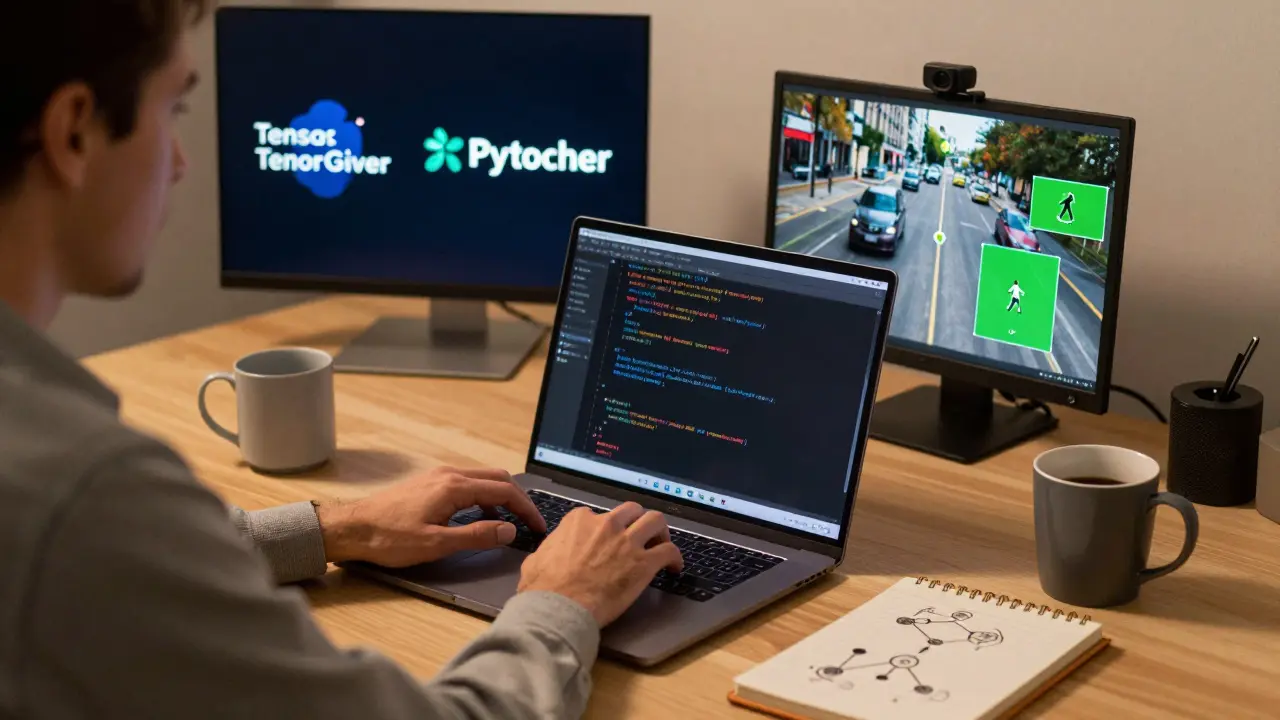
Python for AI: The Essential Guide for Modern Developers
Python is the go-to language for AI development, offering powerful libraries like TensorFlow and PyTorch that let developers build machine learning models without deep math expertise. This guide covers essential tools, real-world projects, common mistakes, and how to stay current in the fast-moving AI field.
- Jan 27, 2026
- Maxwell Sterling
- 0 Comments
Programming Faster: How to Write Code Efficiently and Stay Ahead in Tech
Learn practical ways to program faster without burning out. Discover how to write efficient code, reduce debugging time, and ship features quicker by focusing on workflow, not just syntax.
- Jan 25, 2026
- Andrew Harper
- 0 Comments
The Ultimate Programming Tutorial for Tech Enthusiasts
A practical programming tutorial for tech enthusiasts with no prior experience. Learn Python through hands-on projects, avoid common mistakes, and start building real tools in weeks-not months.
- Jan 20, 2026
- Alfred Thompson
- 0 Comments
The Ultimate Programming Tutorial: Your Roadmap to Success
A clear, step-by-step roadmap to learn programming from scratch without a degree. Focus on building real projects daily, choosing the right language, and staying consistent. No fluff-just what actually works.
- Jan 18, 2026
- Mark Cooper
- 0 Comments
PHP Tricks: Essential Techniques for Reliable Web Development
Discover essential PHP tricks that make web development faster, safer, and more reliable in 2026. Learn how to use type hints, prepared statements, caching, and modern PHP features to build robust websites without frameworks.
- Jan 13, 2026
- Alaric Stroud
- 0 Comments
Code Debugging: A Developer’s Guide to Finding and Fixing Bugs Fast
Learn how to debug code like a pro - not by guessing, but by using proven methods, tools, and mindset shifts that turn frustrating bugs into quick fixes.
- Jan 11, 2026
- Mitchell Benson
- 0 Comments
Programming Tricks: The Ultimate Shortcut to Coding Success
Discover real programming tricks that help you code faster, reduce bugs, and build confidence. No fluff-just practical habits used by experienced developers every day.
- Jan 6, 2026
- Mark Cooper
- 0 Comments
Python Tricks: Learn to Code Like a Pro
Learn practical Python tricks used by experienced developers to write cleaner, faster, and more readable code. From list comprehensions to type hints, these techniques turn basic scripts into professional-grade applications.